
The California to Arizona Relocation: Strategy Over Search
For many Californians, relocating to Arizona is motivated by a desire for “more”. More space, more sunlight, and more control over the monthly budget. But in 2026, the transition is about more than just a lower tax bracket. It’s about finding a community that matches the pace you’ve been chasing.
As a licensed Scottsdale Realtor with eXp Realty who bridges the gap the gap between California expectations and Arizona reality, I’ve built this guide to help you look past the Zillow listings and see the actual numbers and lifestyle shifts that matter.
California vs. Arizona Cost of Living 2026: The Real Numbers
Is it really “cheaper” to live in North Scottsdale? Let’s be honest: Arizona isn’t the “bargain bin” it was a decade ago, and North Scottsdale carries a well-earned premium as one of the most desirable luxury markets in the country. However, when you compare it to coastal California, the shift isn’t just about the price tag but about the asset class.
In 2026, the “Scottsdale Premium” buys you a level of finish and privacy that is nearly impossible to find in California for under $5M.
The Tax Offset: Even at the high end of the market, Arizona’s 0.51% property tax rate and 2.5% flat income tax act as a permanent subsidy for your lifestyle. For a $300k+ household, the monthly “carrying cost” of a more expensive Arizona home is often lower than a cheaper California property once taxes are factored in. Arizona’s flat tax isn’t just a one-time bonus; it’s a long-term strategy for your lifestyle. If you’re looking at this move as your next big chapter, our Arizona retirement guide shows you how to make the math work in your favor for years to come.
The Square Footage Gap: While the median home price in Scottsdale has climbed toward $965k, your price-per-square-foot in luxury enclaves like DC Ranch or Troon still sits significantly lower than Santa Monica or Newport Beach. You aren’t just buying a home; you are buying a 4,000-square-foot custom estate for the price of a 2,000-square-foot California “fixer.”
The “Space” Factor: In Fountain Hills, that same California equity often unlocks massive hillside lots and 270-degree mountain views that would cost tens of millions in Malibu.
| Expense Category | California (Avg) | Arizona (Avg) | The “AZBound” Insight |
|---|---|---|---|
| Property Tax Rate | ~0.77% | ~0.51% | You can often buy a $1.5M home in Scottsdale for the same annual tax bill as a $900k home in OC or the Bay Area. |
| State Income Tax | 1% – 13.3% | 2.5% (Flat) | Arizona’s flat tax is a massive win for high-earners and remote professionals. |
| Gas & Utilities | Extreme | Moderate | You’ll trade high California gas prices for higher summer AC bills, but the net result is almost always a win for your wallet. |
California vs. Arizona Real Estate: What a $1.2M Budget Actually Buys
The biggest mistake California buyers make is assuming “lower price” means “lower quality.” In Scottsdale and Fountain Hills, your equity buys infrastructure and age.
- What Your Money Actually Buys: In 2026, a $1.2M budget that buys a 1950s bungalow in Los Angeles goes much further here, though the inventory varies by city. In Scottsdale, that price point typically secures a well-maintained or recently updated ranch-style home in an established community. However, if you are looking for more square footage or a larger lot, your dollar often stretches further in Fountain Hills.
- The Lot Size: In the East Valley, “privacy” isn’t just a fence; it’s a buffer zone. Many of the properties I scout in Fountain Hills and North Scottsdale sit on “NAOS” (Natural Area Open Space), meaning your mountain views are protected by law from future development.
Trade the Traffic for the Trailhead
You’ve done the long commutes and the “California tax” long enough. Whether you’re looking for the quiet foothills of Fountain Hills or a North Scottsdale retreat, your new chapter starts with a conversation.
[ Request My Relocation Strategy Session → ]
The Lifestyle Shift: California Pace vs. Arizona Peace
1. The “15-Minute” Rule
In many California hubs, a 5-mile drive can take 45 minutes. In Scottsdale and Fountain Hills, 15 minutes gets you almost anywhere, from the trailhead to a world-class dinner. You aren’t just saving money; you are reclaiming hours of your week.
2. Education & Opportunity
How do Scottsdale schools compare to California coastal districts? If you are relocating with a family, the academic landscape is a pleasant surprise. BASIS Scottsdale and the Scottsdale Unified School District consistently outrank many of California’s top-tier coastal districts in both STEM performance and safety. While state-wide funding is a common topic, these specific districts offer a level of rigor and “School Choice” that is hard to find in the CA public system.
3. The “Summer” Objection
“But what about the heat?” It’s the most common question I get, and the honest answer is that we trade a traditional winter for a “Summer Hibernation.” While California has a fairly consistent outdoor rhythm year-round, Arizona has a distinct 90-day period (June–August) where life moves indoors during the peak afternoon hours.
I call it the “Reverse SAD” season. In the Pacific Northwest or East Coast, people hunker down during the gray, cold months; here, we hunker down when it’s bright and 110°F. The local hack? We lean into “Pool Culture” and 5:00 AM trail runs at Gateway Trail Loop. And when the heat truly feels like a grind, I remind my clients that the high country (like Pine, Strawberry, or Flagstaff) is only a two-hour drive away, offering a 20-degree temperature drop and a complete mountain reset. We don’t endure the summer; we manage it for the sake of having the best nine months of weather in the country.
Latest from the California Relocator Guide
-
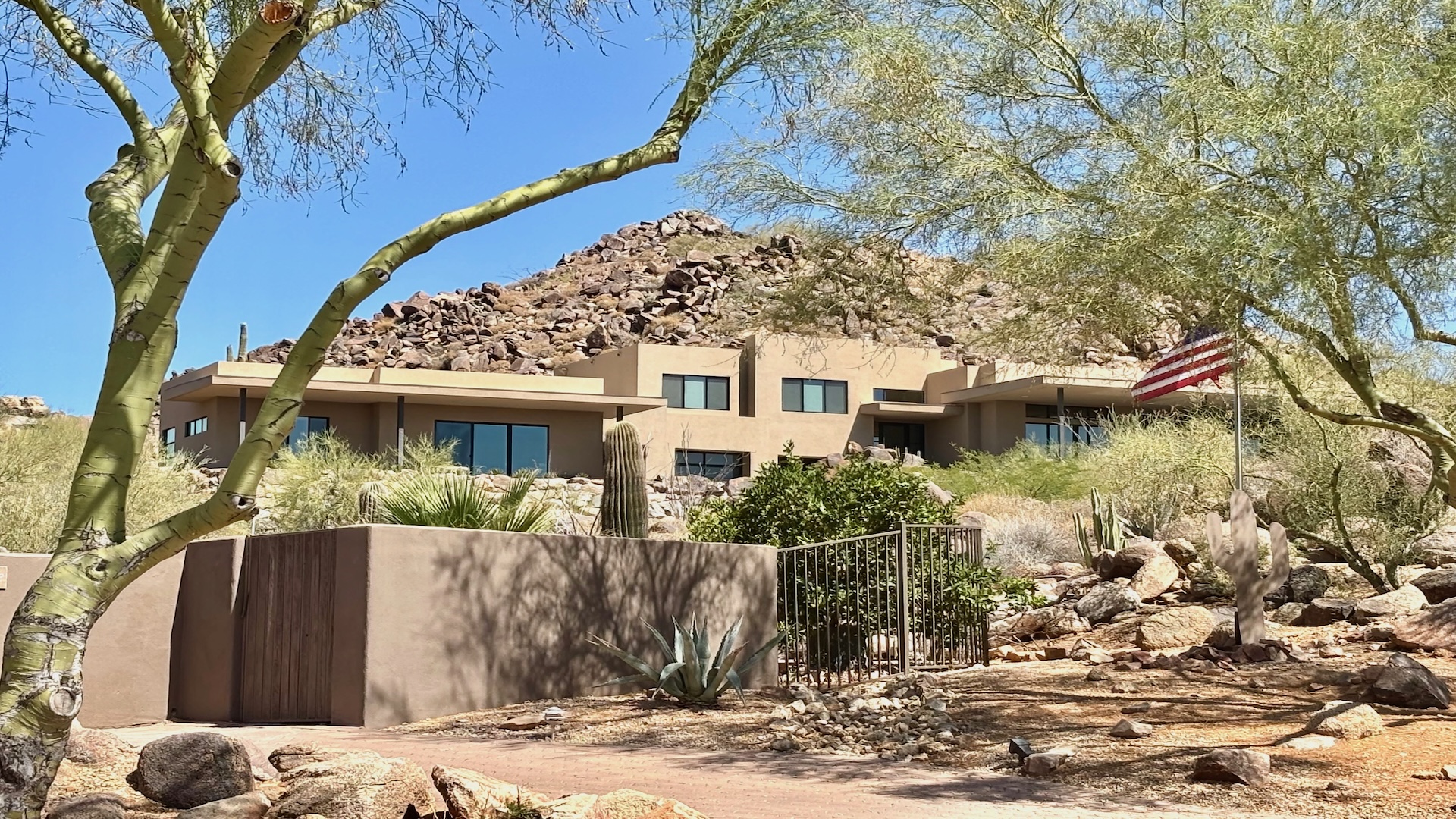
Scottsdale & Fountain Hills Remote Worker Relocation Guide (2026)
Is Arizona calling? Discover tax savings, top neighborhoods, and cost comparisons in this Scottsdale & Fountain Hills remote work guide.
-
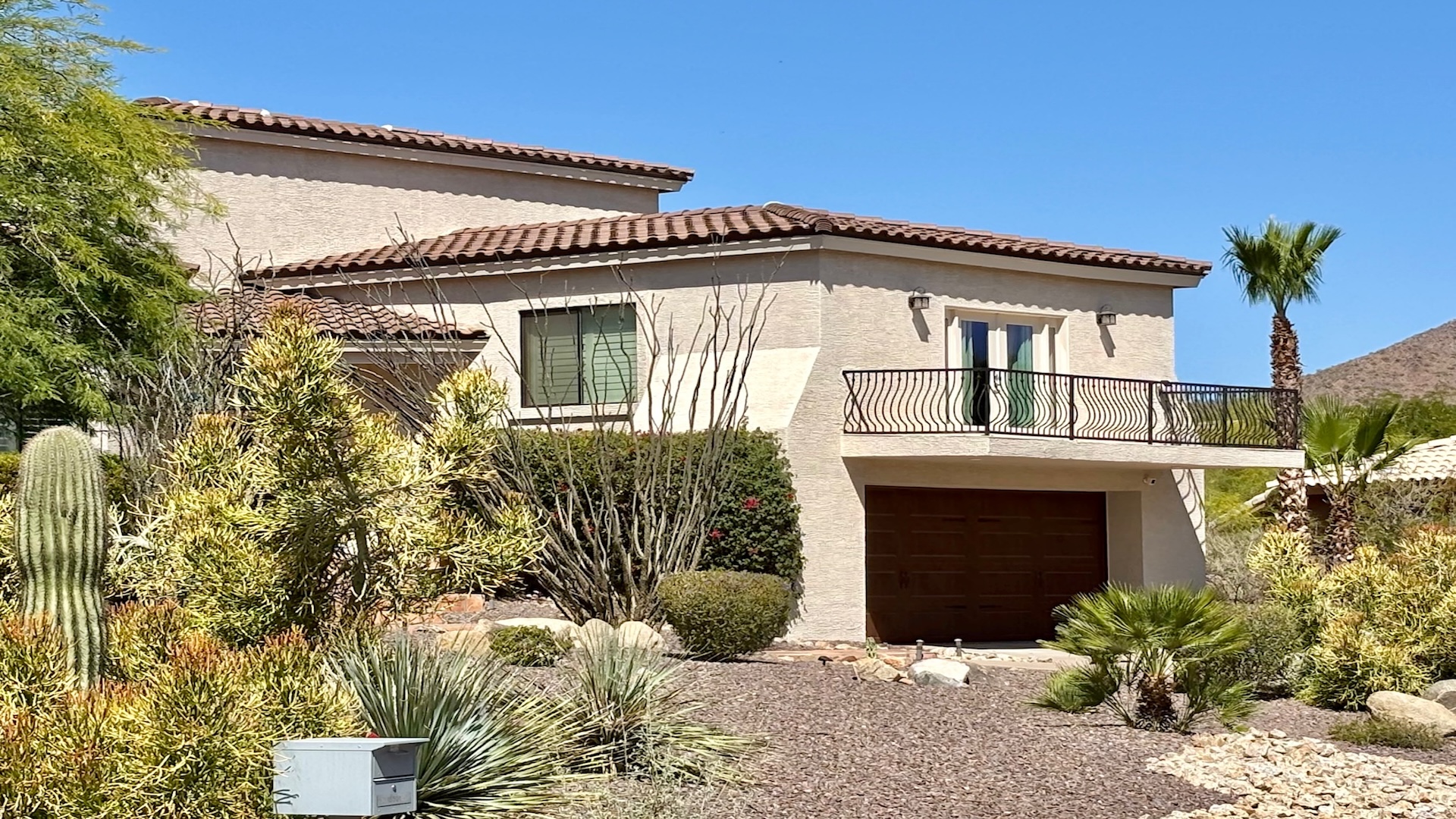
Moving from California to Scottsdale & Fountain Hills: 2026 Guide
Discover the tax savings, home prices, and lifestyle shifts when moving from California to Scottsdale or Fountain Hills. Written by a local AZ Realtor.
-
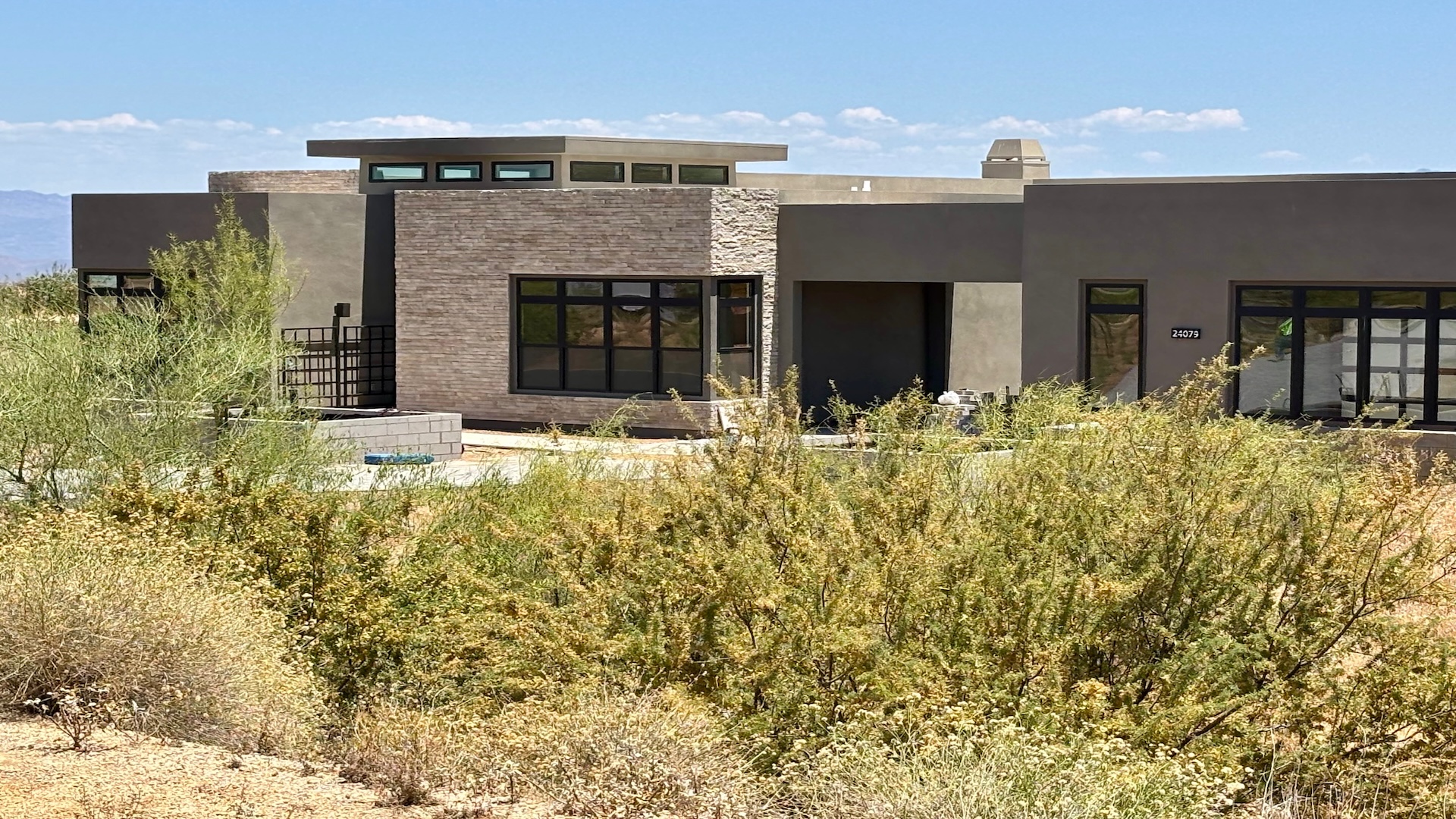
Scottsdale vs Fountain Hills: Complete 2026 Comparison for Buyers
Scottsdale runs 20% higher than Fountain Hills on median price but the lifestyle gap is smaller than most buyers expect. Compare both markets on price, commute, schools, and what your budget actually buys.
California Relocation FAQ
Arizona has a 2.5% flat income tax, whereas California’s progressive rates can climb as high as 13.3%. For a household earning $300,000, moving to Scottsdale can result in an annual state tax savings of roughly $20,000 to $22,000. Because the rate is flat, you keep a higher portion of every dollar you earn, regardless of your tax bracket.
Yes, and significantly. In California, your income would be hitting brackets as high as 9.3%. In Arizona, you pay a flat 2.5%. That shift alone can keep an extra $15,000+ per year in your pocket. When you add the lower property taxes and cheaper high-end childcare, your “disposable income” often increases by $2,500+ a month without you having to ask for a single raise.
In 2026, your California equity generally buys significantly more square footage and newer infrastructure; for a $1.2M budget that buys a fixer-upper in LA, you can typically secure a well-maintained 2,500+ sq. ft. pool home in Scottsdale or a larger mountain-view estate in Fountain Hills. Beyond the physical house, you are trading high California property taxes for Arizona’s lower ~0.51% rate, effectively increasing your long-term purchasing power.
The Scottsdale Unified (SUSD) and Fountain Hills Unified districts consistently outperform national averages. Arizona is a leader in “School Choice,” meaning you have access to elite, free charter schools like BASIS Scottsdale and Great Hearts Academies. Many find the academic rigor in these pockets is equal to, or higher than, premium coastal California districts.
California families tend to gravitate toward North Scottsdale for the newer infrastructure and McCormick Ranch for the greenbelts and walkability. If you want more house for your money, I suggest looking at Fountain Hills, where the views are expansive and the atmosphere is quieter but still minutes from Scottsdale’s amenities.
While Arizona is a “leaner-service” state, Scottsdale is a global destination for specialized care. We are home to the Mayo Clinic and the HonorHealth network. However, health insurance premiums and plan structures can differ significantly from California’s state-subsidized marketplace. I recommend checking with your current provider to see if they have a robust network in Maricopa County before you move.
North Scottsdale is the hub for high-end dining, shopping, and newer master-planned infrastructure. It’s “active luxury.” Fountain Hills offers a more established, quieter pace with expansive mountain views and significantly more home for your dollar. If you want to be at the party, choose Scottsdale; if you want to be 20 minutes away from the party with a better view and a larger lot, choose Fountain Hills.
To qualify for Arizona’s 2.5% flat tax and avoid California’s higher rates, you must generally spend more than 183 days per year in Arizona. Establishing “domicile” is key, so I recommend updating your driver’s license, voter registration, and primary mailing address within 30 days of your move.
Moving to Arizona isn’t just about getting a new license; it’s about “breaking up” with California legally. The CA Franchise Tax Board (FTB) is aggressive in 2026 regarding high-earners, so you must establish a clear “paper trail” of residency. This means moving your primary bank accounts, changing your voter registration, and, most importantly, ensuring you aren’t spending more than 183 days a year in California.
Yes; in 2026, you can claim a federal tax credit of 30% of your solar system’s cost, plus a $1,000 Arizona state tax credit. Additionally, Arizona law prevents your property taxes from increasing due to the added value of solar panels, making it a highly strategic investment for CA transplants looking to offset summer AC costs.
Ready to trade the traffic for the trails?
[Explore Scottsdale Neighborhoods →] [Explore Fountain Hills Neighborhoods →]